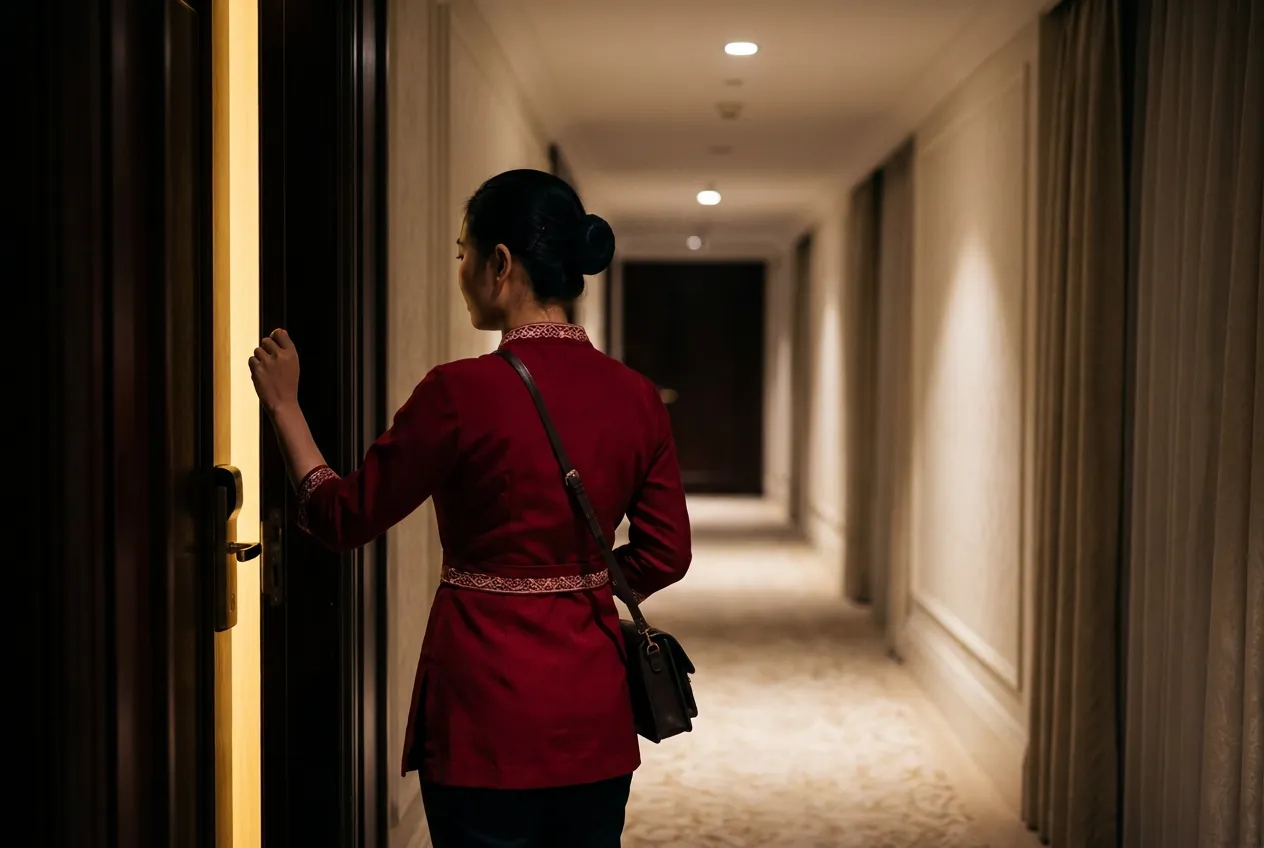
Hotel Visitor Rules in Bangkok: Bringing a Guest to Your Room
Every Bangkok hotel has a visitor policy, and most are simple once you know them. Here is what reception usually asks, why, and how to keep things smooth for your guest.
Why Bangkok Hotels Have Visitor Rules
Hotels in Bangkok, like hotels in most big cities, want to know who is in the building. It is a matter of safety for guests and staff, of security for the floors, and of keeping an accurate record in case anything goes wrong. Thai law also expects accommodation to keep track of the people staying overnight.
So a visitor policy is not a judgement about you or your guest. It is routine. The front desk applies it to colleagues dropping off documents, friends coming up for a drink, family members and massage therapists alike.
Can I Bring a Guest to My Hotel Room in Bangkok?
In most hotels, yes. Visitors are generally welcome as long as they follow the hotel's process. What that process looks like varies a lot from one building to the next, and sometimes from one shift to the next.
Some hotels simply ask for your room number and wave the visitor through. Others ask the visitor to show ID and register at reception. A few restrict visitors to the lobby at certain hours or charge a fee if a guest stays overnight. The only way to be certain is to ask your own front desk, ideally when you check in.
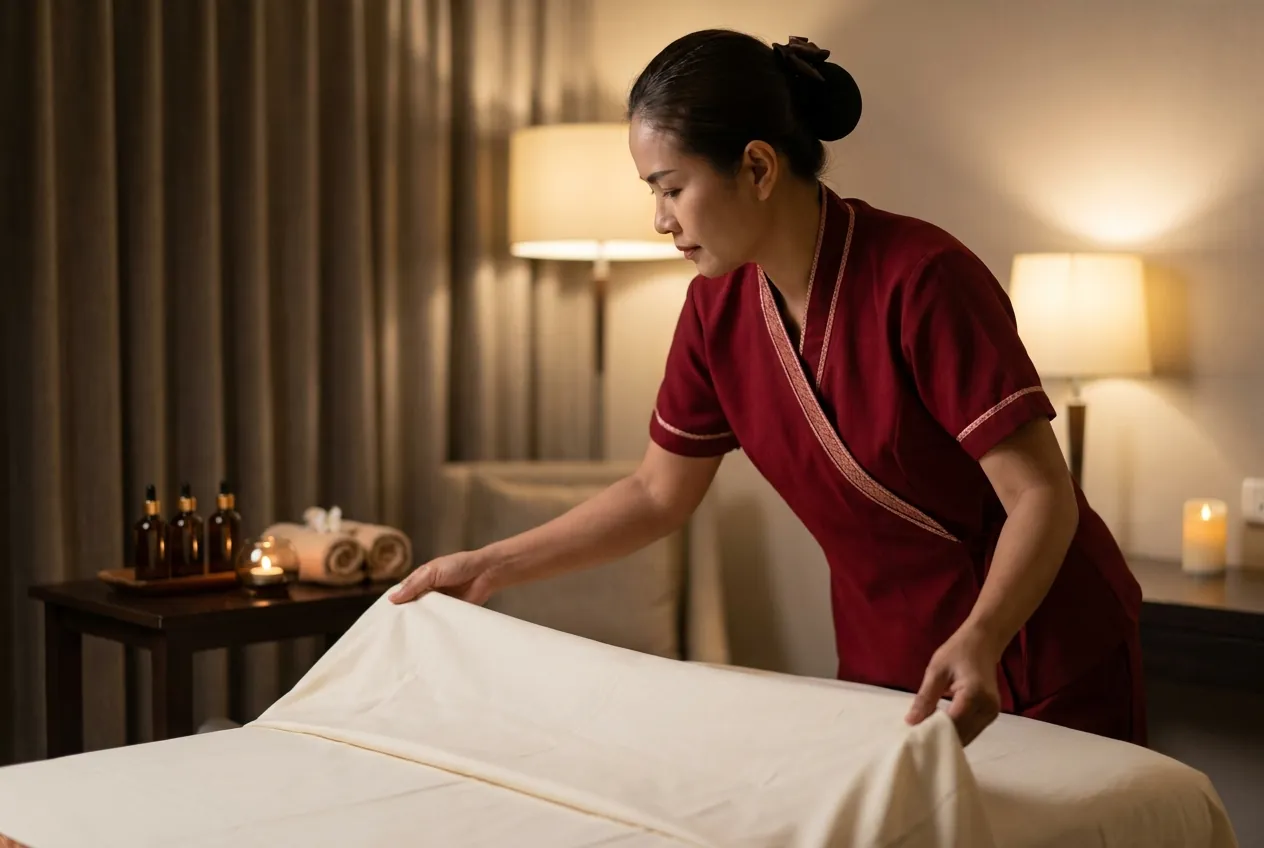
What Reception May Ask a Visitor
- The name of the guest they are visiting and the room number.
- An ID card or passport, sometimes photographed or copied, sometimes held at the desk until the visitor leaves.
- A signature in a visitor log, with the time of arrival.
- A phone call to your room to confirm that you are expecting someone.
- A staff member to walk the visitor to the lift, or one to swipe the key card for the right floor.
Overnight Guests and Joiner Fees
The rules usually tighten if a visitor plans to stay the night. Many hotels price rooms per number of occupants, so an extra overnight guest may need to be registered as a second occupant. In Bangkok this is often called a joiner policy, and some hotels charge a joiner fee for it.
If you expect anyone to stay overnight, check the policy in advance and tell the desk. A visitor who leaves the same evening is normally treated differently and often needs nothing more than the usual registration.
How Rules Differ by Type of Stay
Rules can also change with the hour. A desk that waves visitors through in the afternoon may ask for ID after ten at night, when fewer staff are on duty and security matters more.
- Large hotels: usually a clear, written policy. Visitors register at reception, key-card lifts are common.
- Small and boutique hotels: often more relaxed, but a staff member may ask who the visitor is.
- Serviced apartments: a staffed reception similar to a hotel, sometimes with ID registration.
- Condos and short-stay rentals: a guard desk instead of reception, with a visitor book or an ID exchanged for a pass.
- Hostels: the strictest. Visitors are often limited to common areas.
If Reception Says No
Occasionally a hotel will not allow a visitor upstairs, or only at certain hours. It can feel awkward, but the front desk staff did not write the rule and rarely have the power to change it. Arguing almost never helps and can make the next request harder.
Instead, ask calmly what is possible. Some hotels allow visitors once they register, others prefer that you meet in the lobby, and a few will make an exception if a manager approves. If the policy is a firm no, it is better to know early, so you can plan around it, choose another place to meet, or pick accommodation with clearer visitor rules next time.
Front Desk Etiquette That Makes It Easy
Ask at check-in
One simple question about visitors saves surprises later.
Tell the desk in advance
If you expect someone at a certain time, a quick call to reception smooths the arrival.
Share the details
Give your guest the exact hotel name, tower if there is one, and your room number.
Stay reachable
Keep your phone close in case reception rings to confirm.
Be gracious
If staff ask for ID or a signature, cooperate with a smile. They are following instructions.
Walk them out
When your guest leaves, accompanying them to the lift or lobby is polite and helps with key-card lifts.
Visitor Rules and an In-Room Massage
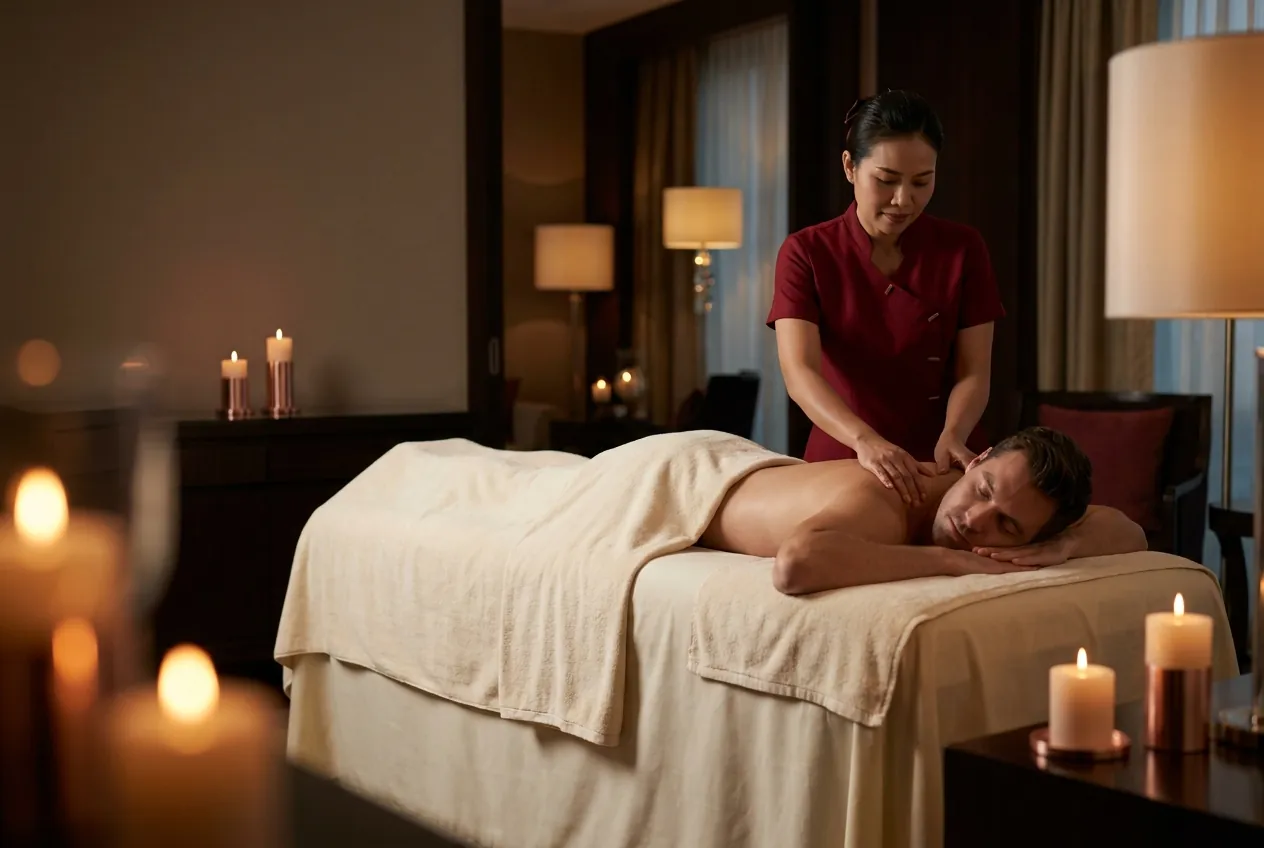
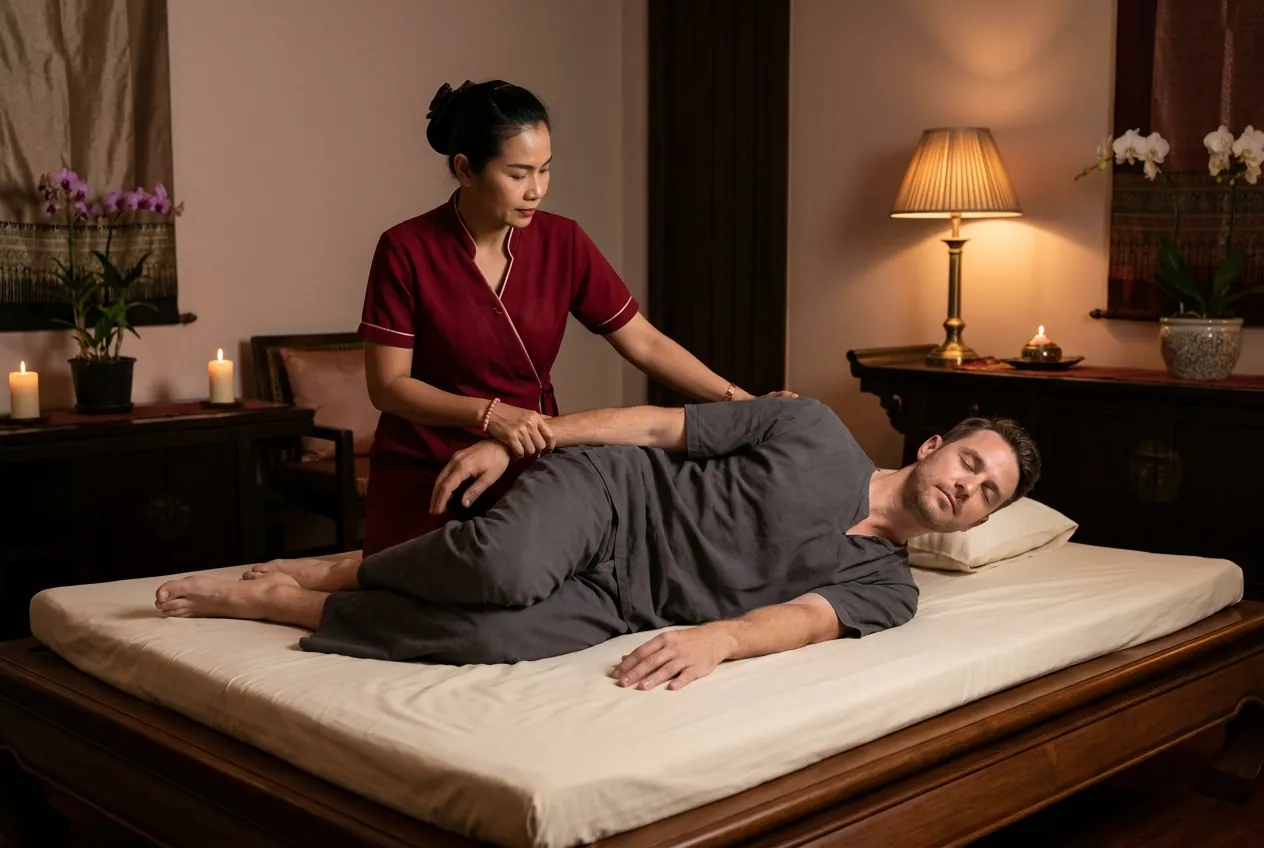
If you book a massage in your hotel room, your therapist goes through the same process as any visitor. At Nirin Massage, therapists are used to reception desks across central Bangkok. She will register, show ID if asked and wait calmly while the desk calls you. Send your hotel name and room number when you book on WhatsApp or LINE, keep your phone nearby, and the arrival is usually quick and discreet.
Questions
Can visitors go up to hotel rooms in Bangkok?
In most hotels, yes, after registering at reception. Rules vary by building, so ask your front desk.
Do Bangkok hotels ask visitors for ID?
Many do. A visitor may need to show an ID card or passport, and some hotels keep it at the desk until the visitor leaves.
What is a joiner fee in Bangkok hotels?
A joiner fee is a charge some hotels apply when an extra person stays overnight in a room booked for fewer guests.
Can my hotel refuse a visitor?
Yes. Hotels set their own visitor rules and can refuse entry, limit hours or keep visitors in the lobby.
Can I have a massage therapist come to my hotel room in Bangkok?
Usually, yes. The therapist follows the hotel's visitor process, such as registering at reception or showing ID.
Book in one message
Send your hotel or condo and room number. We confirm the time and the price in the chat.
We're open 24 hours. She usually arrives in about 30 minutes, and you pay in cash after the massage.